What Your Microbiome Wants You to Know
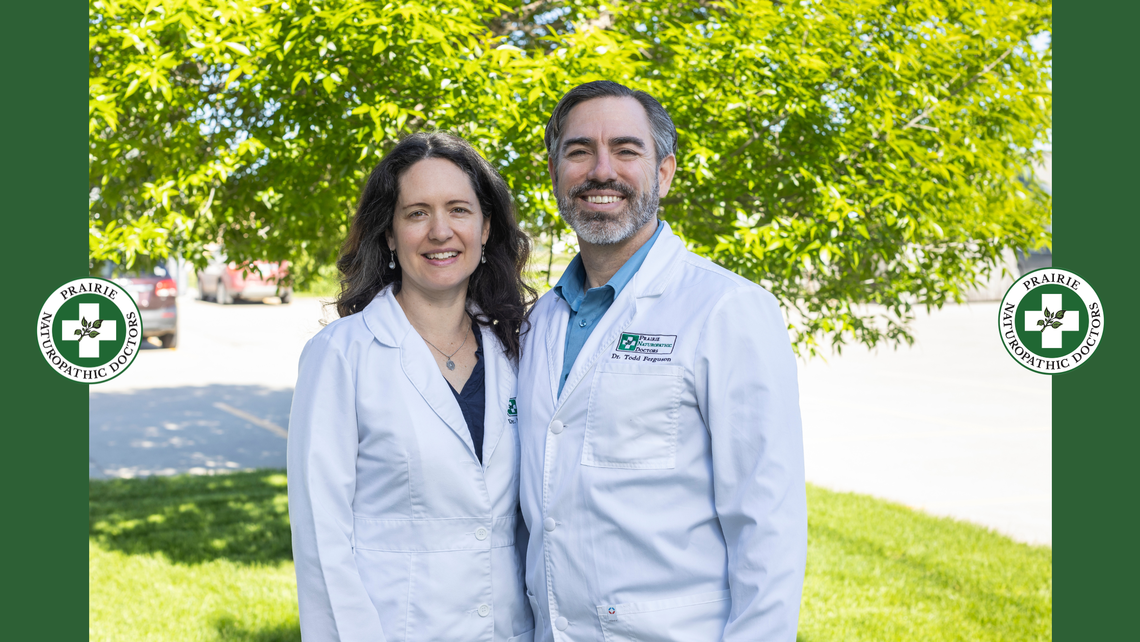
Many years ago, I began teaching a class on the benefits of fermented food and how to ferment foods. So many patients I saw were struggling with indigestion, heartburn, gas, bloating, and constipation and in most cases building a better gut microbiome was a big part in building health. Teaching the class helped many get more consistent with the intake of healthy foods for better digestion as at the time these foods weren’t readily available in all grocery stores. One of the resources I found useful was Wild Fermentation by Sandor Katz. He wrote about how eating fermented foods improved his health and goes through how to culture foods. He fermented cabbage making sauerkraut and just about every food he could including vegetables, meat, fruits, grains, and probably the shoes he was wearing (the latter is a joke – don’t try at home).
It used to be less common to find live culture fermented foods available in grocery stores. I remember the first time I learned about Kombucha before it was available in grocery stores. I saw a jar sitting on a colleague’s countertop with this thing that looked like an alien guild navigator from dune floating in it. I learned that was the mother and soon enough we were making our own Kombucha and sharing the mother with others. We learned quickly not to house our sauerkraut and Kombucha too close or some interesting crossover occurred. Kombucha, kimchi, sauerkraut, sourdough bread, yogurt, kefir. What do these foods have in common? They are all fermented.
Why do we want to eat fermented foods? These fermented foods help us stay healthy by improving digestion, nutrient availability and decreasing toxins formed by harmful microbes. The Human Microbiome Project (HMP) has produced evidence that eating these foods has a beneficial effect on our bodies. The HMP was a study done by the National Institutes of Health to understand the association between the human microbiome in health and disease. Over the years research has connected health of the microbiome to not only digestive disorders but also numerous other concerns such as anxiety, depression, heart disease, fibromyalgia, autoimmune disorders such as rheumatoid arthritis and lupus, cancer and more.
The microbiome is a combination of bacteria, viruses, protozoa and fungi that live in our body. Different areas of our body have different types of organisms that live in a balance. The microbiome helps us digest our food, protect against infection, help with detoxification, and produce vitamins. There are common bacterial strains that have been found in different areas of the body. Some of these bacteria can lead to infection in certain areas of the body but are “normal” parts of the microbiome in other areas. For health, it is important to have a healthy microbial balance in all areas of the body. Research shows that a healthy microbiome can prevent infection, improve digestion, help with fertility, and may even prevent cancer.
There are things that we put in our body that help us to create a healthy microbiome and things that negatively affect our microbiome. The current information shows that the gastrointestinal microbiome can be altered by diet, probiotic and prebiotic intake, prescription medications, including antibiotics, corticosteroids and H-2 blockers. These may affect the microbiome of other areas of the body as well.
The two main ways to get probiotics and prebiotics into your body are food and supplements. Foods high in probiotics include sauerkraut, pickled vegetables, kombucha, yogurt and kefir. It should be noted that some versions of these may not provide much for probiotics if they have been pasteurized (a process aimed at killing bacteria).
Prebiotics are plant fibers that stimulate good bacteria in the gut. Prebiotics are not digested by your body, so they pass through the digestive system to become food for the probiotics. Without prebiotics the microbiome will not have what it needs to nourish and cultivate a healthy balance. All bacteria, good and bad, feed on different things. What you feed your microbiome has a big impact on how healthy it is. Prebiotics are found in chicory root, Jerusalem artichoke, flax seeds, oats, garlic, onions, apples, tempeh, and many other foods.
You are not alone on your journey to health. There are thousands of bacteria living in your body who can support you in getting healthy. But if you don’t feed them, you may have some that work against you. The best way to feed your microbiome is by eating a wide variety of whole foods and fermented foods, including various fruits, vegetables, grains, and seeds containing both prebiotics and probiotics. With a varied diet, you will be able to diversify healthy bacteria, and diversity in the gut microbiome is associated with overall health. Therapies such as Naturopathic Physiotherapy to strengthen your digestion help keep a good balance and targeted prebiotics and probiotics specific to your needs can really make a difference in the long run.
With so much conflicting nutrient advice and so many options to choose from we are here to help you navigate information and take the best action toward health. The foods, therapies, and targeted natural medicines you need to optimize your health and live your best life is available. We have helped countless patients correct indigestion, gas, bloating, heartburn, irritable bowel syndrome (IBS), small intestinal bowel overgrowth (SIBO), tenesmus, diarrhea, inflammatory bowel disease (IBD) and more. Give us a call and start your journey, along with your thousands of gut microbes, toward better health.
Latest Posts

Why So Many Women Over 35 Experience Bloating and Digestive Discomfort
If you're a woman over 35 and feel like bloating has become a near-daily companion, you're far from alone. Functional gastrointestinal symptoms like bloating,...Read more

Spring Is Coming… But So Is Inflammation
March in Minnesota and North Dakota is a transition month; longer days, melting snow, and the promise of spring.
But inside the...Read more

Snow Is Melting… and So Are Your Allergy Defenses
Minnesota and North Dakota’s true allergy season may peak later in spring, but symptoms often begin earlier than people expect.
As...Read more
Categories
Archive
- July 2026 (1)
- May 2026 (1)
- March 2026 (2)
- February 2026 (1)
- November 2025 (2)
- October 2025 (2)
- September 2025 (2)
- August 2025 (2)
- July 2025 (3)
- June 2025 (1)
- May 2025 (9)
- April 2025 (2)
- March 2025 (2)
- February 2025 (2)
- January 2025 (2)
- December 2024 (2)
- November 2024 (2)
- October 2024 (2)
- September 2024 (2)
- August 2024 (2)
- July 2024 (2)
- June 2024 (2)
- May 2024 (1)
- March 2024 (3)
- February 2024 (2)
- January 2024 (2)
- December 2023 (2)
- November 2023 (2)
- October 2023 (2)
- September 2023 (2)